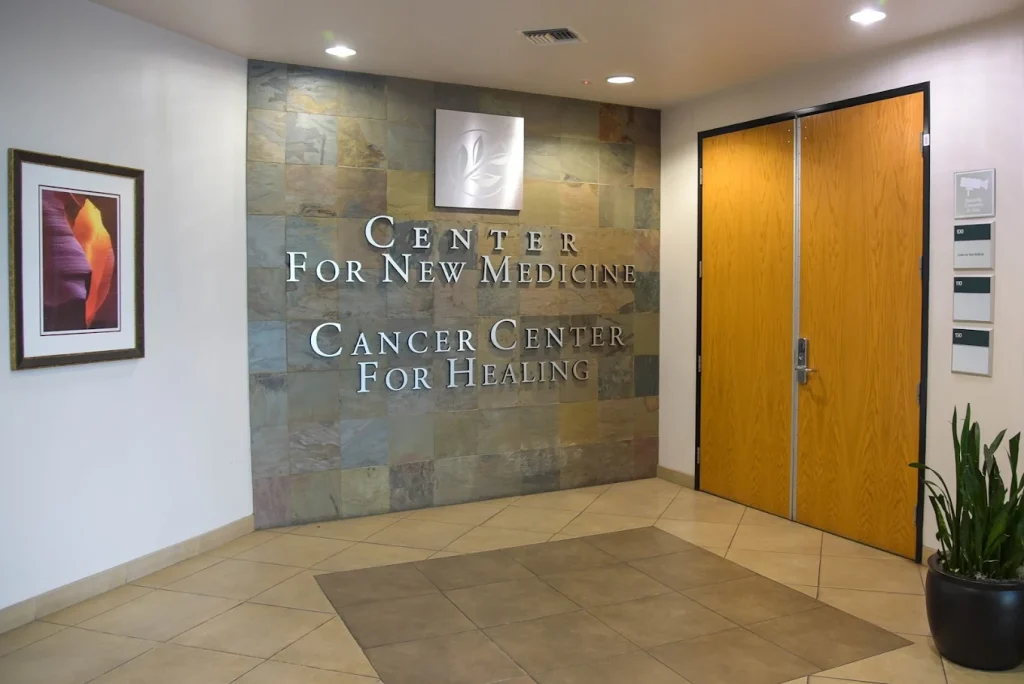


Cancer is not a one‑size‑fits‑all disease. While anyone can develop cancer, some people are more susceptible to cancer than others. At the Cancer Center for Healing in Irvine, CA, we understand that cancer risk varies widely between individuals because of a complex interplay of genetics, lifestyle, environment, and other factors.
Understanding why some people are more susceptible to cancer than others can empower you to make informed health decisions, engage in early screening, and adopt preventive strategies tailored to your risk profile.
What Does “Susceptible to Cancer” Mean?
Being susceptible to cancer means that certain biological or environmental factors increase the likelihood that a person’s cells may develop cancer at some point in their life. Importantly, susceptibility does not guarantee cancer will occur, but it does influence the probability that it could.
Genetic Factors and Cancer Susceptibility
Some people are more susceptible to cancer than others because of inherited genetic risk. Only a small proportion of cancers are caused by known hereditary mutations, but when these mutations are present, they can dramatically increase risk.
Genes such as BRCA1 and BRCA2 heighten the risk for breast and ovarian cancer, while conditions such as Lynch syndrome raise the risk for colorectal and other cancers. These inherited genetic changes do not guarantee cancer, but they do make an individual more likely to develop it compared with someone without these mutations.
Family history also matters because relatives often share both genes and lifestyle habits that influence cancer risk. This is one reason why some people are more susceptible to cancer than others even within the same family.
How Lifestyle Changes Who Is More Susceptible to Cancer Than Others
Although genetics plays a role, some people are more susceptible to cancer than others due to behaviors and lifestyle factors that increase DNA damage over time. Researchers estimate that lifestyle and environmental exposures account for the majority of cancer risk.
Key lifestyle contributors include the following:
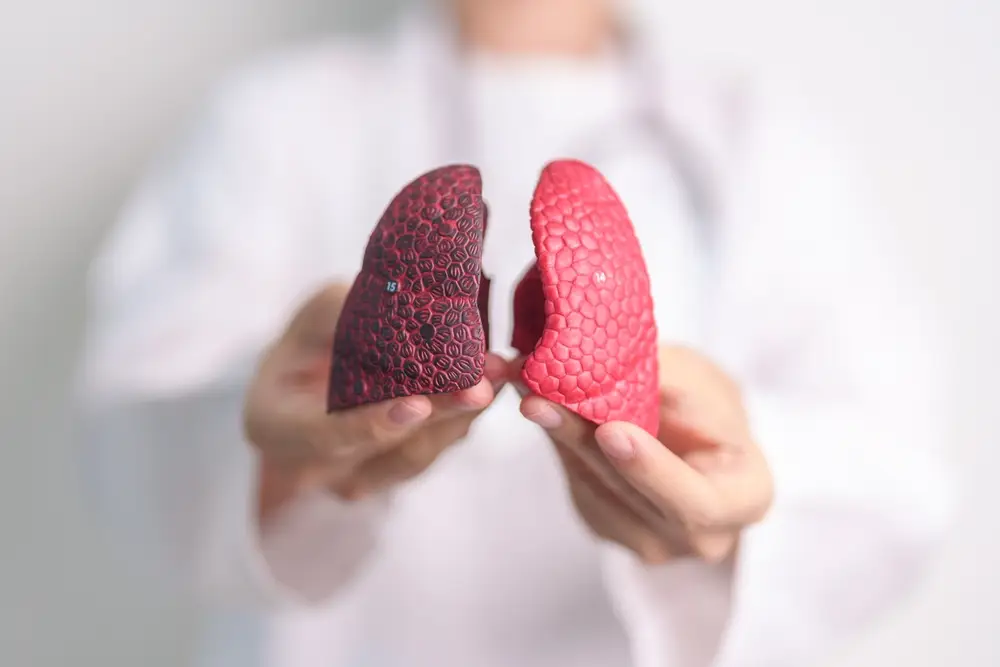
- Tobacco use: Smoking is the leading preventable cause of cancer, linked to lung, throat, and several other cancers.
- Alcohol consumption: Alcohol increases risk for cancers of the liver, breast, colon, and more.
- Diet and obesity: Diets high in processed foods and excess body weight are associated with increased cancer risk.
- Lack of physical activity: Sedentary lifestyles have been linked to higher cancer risk, particularly for breast and colon cancers.
These modifiable factors help explain why some people are more susceptible to cancer than others even when they share similar backgrounds.
Environmental Exposures That Increase Susceptibility
Another reason some people are more susceptible to cancer than others is exposure to carcinogens in the environment. Many environmental factors can damage DNA, creating mutations that lead to cancer development.
Examples include the following:
- Ultraviolet (UV) radiation: Prolonged sun exposure increases skin cancer risk.
- Chemical carcinogens: Substances such as asbestos and benzene found in certain workplaces and pollution environments can raise cancer risk.
- Air pollution: Fine particulate matter in polluted air has been linked to lung cancer.
- Infections: HPV, hepatitis B and C, and Helicobacter pylori are infectious agents known to increase cancer risk.
Exposure levels vary based on where you live, where you work, and how you spend your time. This variation is another reason some people are more susceptible to cancer than others.
Age and Biological Factors
Age is a well‑established risk factor for cancer. Cells accumulate DNA damage over time, and the body’s ability to repair that damage diminishes as we get older. This is why most cancer diagnoses occur later in life.
Additionally, certain biological differences such as sex and hormonal factors also mean some people are more susceptible to cancer than others. For example, men and women have differing risks for cancers such as prostate, breast, and ovarian cancer due to anatomy and hormone exposure.
How Susceptibility Combines with Chance
Even with known risk factors, randomness plays a role in cancer development. Our cells constantly receive and repair DNA damage. Sometimes this repair fails, leading to mutations that promote cancer. This means cancer can occur even in people without obvious risk factors, which contributes to why some people are more susceptible to cancer than others.
What You Can Do If You Are at Higher Risk
At the Cancer Center for Healing in Irvine, CA, we encourage proactive management of cancer susceptibility:
- Genetic counseling and testing: To identify inherited risk
- Regular screenings: Tailored to your personal risk profile
- Lifestyle adjustments: Promoting smoking cessation, healthy diet, and regular exercise
- Environmental vigilance: Reducing exposure to known carcinogens
Understanding why some people are more susceptible to cancer than others helps you take control of your health with evidence‑based strategies.
Cancer Assessment in Irvine
Cancer risk is shaped by a variety of factors including genetics, lifestyle, environment, age, and random biological events. While some of these factors cannot be changed, many can be managed through lifestyle and medical intervention. By understanding why some people are more susceptible to cancer than others, you can work with healthcare professionals to reduce your risks and prioritize early detection and prevention.
If you want to explore your personal cancer risk and how to address it, reach out to the Cancer Center for Healing in Irvine, CA, for individualized care and support.