

In recent years, colon cancer on the rise in young adults has become a serious public health concern. Once thought of as primarily affecting older adults, colon cancer and other forms of colorectal cancer are increasingly being diagnosed in people under age 50. This trend has left many young adults wondering what’s behind this shift and, more importantly, how they can take proactive steps to protect their health—even while they are still young.
Research shows that the rate of colorectal cancer in younger adults has been steadily increasing. According to the latest data, incidences of colorectal cancer in adults under 50 are rising by about 2% to 3% each year, a trend that has continued for decades.
Understanding why colon cancer is on the rise in young adults requires looking at emerging evidence on lifestyle, environmental, and biological factors. Although scientists can’t pinpoint a single cause, multiple studies highlight trends that may be contributing to this alarming pattern.
Current Research and Trends
A growing body of research confirms that colon cancer on the rise in young adults is real and concerning. For example, cancer registry analyses show that younger age groups—especially adults in their 20s, 30s, and 40s—are experiencing increasing rates of colorectal cancer diagnoses, even as overall rates decline in older populations.
Factors that may be contributing to this trend include changes in diet, sedentary lifestyles, obesity, gut microbiome changes, and other environmental influences. Some studies also suggest that early-life exposures—such as certain bacteria producing harmful toxins—could play a role in later cancer development.
Although the full picture is still being pieced together, the evidence is clear: colon cancer on the rise in young adults is more than just a statistical anomaly. It represents a shift in disease patterns that requires awareness and action.
Why Is Colon Cancer on the Rise in Younger Adults?
1. Dietary Patterns and Processed Foods
Several studies link Western-style diets—high in ultra-processed foods, red and processed meats, and refined sugars, as well as low in fiber—with increased colorectal cancer risk. Ultra-processed foods may also disrupt the gut microbiome, contributing to inflammation and harmful metabolic changes.
2. Sedentary Lifestyle and Obesity
Modern lifestyles often involve prolonged sitting, minimal physical activity, and a high prevalence of overweight and obesity. These factors are strongly associated with increased cancer risk, including early-onset colorectal cancer.
3. Microbiome and Early-Life Exposures
Emerging research suggests that certain gut bacteria and their toxins may contribute to DNA damage and cancer risk later in life. In one study, mutations linked to bacterial toxins were far more common in tumors from younger patients than in those from older patients, highlighting a potential role for early microbial exposures.
4. Delayed Screening and Lack of Awareness
Historically, colorectal cancer screening began at age 50. In recent years, guidelines have been updated to recommend screening starting at age 45 due to the rise in colon cancer in young adults, but many young people are still not getting screened. Early-stage cancers or precancerous polyps can go unnoticed without routine screening, making proactive health monitoring critical.
Stay Healthy and Proactive Even When You’re Young
Even though colon cancer on the rise in young adults is concerning, there are many steps young people can take to stay healthy and proactive about their colon health. These strategies focus on lifestyle, awareness, and preventive care.
1. Prioritize Regular Screening When Appropriate
Talk with your healthcare provider about when to begin colorectal cancer screenings based on your personal risk factors and family history. Even if you are under 45, your doctor may recommend earlier screening if you have symptoms or other risk factors.
2. Adopt a Nutrient‑Rich, High‑Fiber Diet
Eating a diet focused on whole foods—especially fruits, vegetables, whole grains, legumes, nuts, and seeds—can improve digestion and support gut health. High-fiber diets are associated with a lower risk of colorectal cancer and help maintain a healthy gut microbiome.
3. Limit Ultra‑Processed Foods and Red Meats
Reducing intake of ultra-processed foods, sugary beverages, and processed meats can decrease inflammation and overall cancer risk. Replace these with plant-based proteins, lean meats, and minimally processed options whenever possible.
4. Stay Active and Maintain a Healthy Weight
Regular physical activity—at least 150 minutes of moderate exercise per week—helps maintain a healthy weight, supports immune function, and reduces cancer risk. Simple activities such as walking, cycling, or swimming can make a meaningful difference.
5. Pay Attention to Symptoms
Be proactive about any unusual gastrointestinal changes, such as persistent constipation or diarrhea, blood in the stool, unexplained weight loss, or abdominal discomfort. Symptoms that persist should prompt a conversation with your healthcare provider.
6. Manage Alcohol and Tobacco Use
Limiting alcohol consumption and avoiding tobacco products can reduce the risk of many cancers, including colorectal cancer. Even moderate alcohol intake has been linked to increased cancer risk in some studies.
Why Awareness Matters
Because colon cancer on the rise in young adults may not always produce early symptoms, awareness is essential. Younger adults may not suspect cancer when they experience changes in digestion or bowel habits, leading to delays in diagnosis. Educating yourself, paying attention to your body, and advocating for appropriate screenings can save lives.
Preventative Medicine in Irvine
The trend of colon cancer on the rise in young adults is real and well-supported by current research. While the exact causes are still being studied, lifestyle factors such as diet, physical inactivity, obesity, gut microbiome changes, and low screening rates all seem to play a role.
The good news is that there are proactive steps you can take now to support your health. Prioritizing a nutrient-rich diet, staying active, getting screened at the right time, and paying attention to symptoms can help you stay healthy and potentially lower your risk of colorectal cancer—even as a young adult.
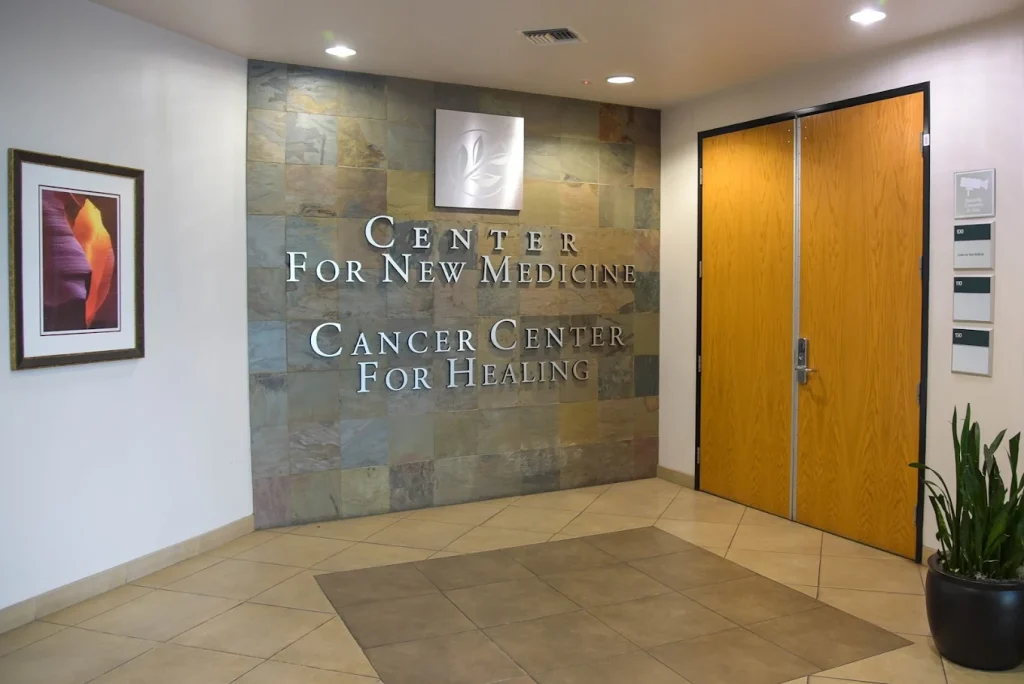
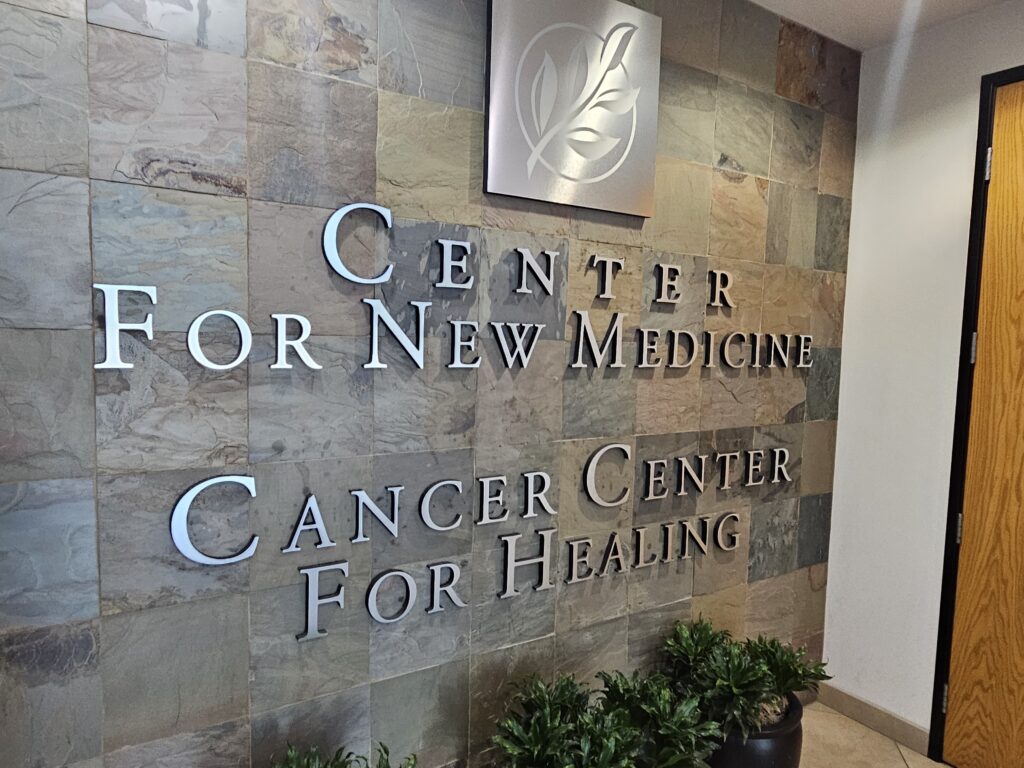
If you are concerned about colon cancer risk or want personalized guidance on prevention and early detection, the Cancer Center for Healing in Irvine, CA, offers comprehensive evaluations, integrative care strategies, and individualized support to help you stay proactive about your health. Schedule a consultation with us today!