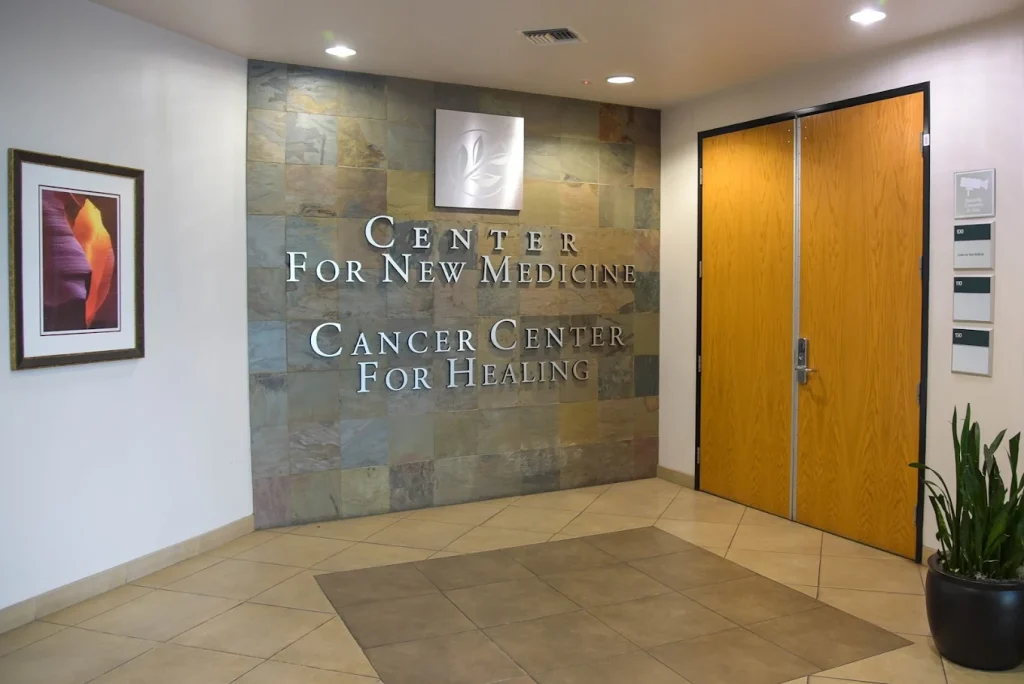

We believe here at the Cancer Center for Healing that our patients deserve the highest standard of cancer care. Unlike conventional medicine, integrative oncology treats the whole person, not just the outer symptoms. This approach combines medical therapies, nutritional support, metabolic optimization, mind-body care, and lifestyle interventions. Managing all these aspects effectively requires collaboration.
A single doctor, no matter how skilled, cannot provide comprehensive care alone. That’s why here at the Cancer Center for Healing, our integrative oncology doctors have a team to assist them.
In 2026, the complexity of cancer care continues to increase, making team-based approaches more essential than ever. Below, we explore why integrative oncology doctors need teams and how this collaboration benefits patients at every stage of treatment.
Complexity of Modern Diagnostics
One of the primary reasons integrative oncology doctors need teams is the increasing complexity of cancer diagnostics. Patients today have access to advanced tools such as genomic testing, immune profiling, metabolic assessments, and multi-cancer early detection blood tests.
Interpreting these results requires expertise across multiple disciplines. Medical oncologists focus on tumor-directed treatments, functional medicine doctors examine metabolic patterns, nutritionists interpret dietary needs and inflammatory markers, and integrative specialists consider detoxification and immune support. By working as a team, oncology doctors integrate all diagnostic insights into a cohesive, individualized treatment plan that maximizes effectiveness.
Coordinating Complex Treatment Plans
Another key reason integrative oncology doctors need teams is treatment coordination. Modern cancer care often involves a blend of conventional therapies, such as chemotherapy or immunotherapy, alongside integrative therapies that support the body’s resilience.
These supportive therapies may include nutritional oncology, IV nutrient protocols, metabolic therapy, mind-body medicine, and adjunctive energy therapies such as hyperthermia or photobiomodulation. A solo doctor cannot oversee every treatment while maintaining the depth of expertise required. Teams ensure that each therapy is administered safely and in the correct sequence, creating a seamless, well-coordinated approach for the patient.
Enhancing Patient Safety
Patient safety is a major factor in understanding why integrative oncology doctors need teams. New therapies can interact with medications, affect immune function, or create unexpected side effects. A team allows multiple experts to review treatment plans, monitor patient progress, and adjust therapies as needed.
This collaboration reduces the risk of conflicts or complications and ensures that all aspects of care, from conventional treatments to supportive interventions, are monitored and optimized. Patients benefit from real-time oversight and continuous communication among their care providers.
Addressing Emotional and Mental Health
Cancer affects more than the body; it impacts emotional, mental, and spiritual well-being. Integrative oncology doctors need teams to address these dimensions of healing. Counselors, mind-body specialists, health coaches, and patient advocates provide expertise in stress management, coping strategies, and emotional support.
Teams allow patients to receive comprehensive support, so their mental and emotional health is nurtured alongside physical treatment. This holistic approach helps improve quality of life, treatment adherence, and overall resilience.
Time Management and Capacity
Time and availability are additional reasons integrative oncology doctors need teams. Cancer care involves long treatment plans, frequent monitoring, lab work, and ongoing communication. A solo doctor cannot accommodate every patient’s questions, check-ins, and urgent needs.
Team-based care ensures that patients receive timely attention, consistent follow-up, and uninterrupted support throughout their treatment journey. Each team member shares responsibility, allowing patients to feel fully supported at all times.
Keeping Pace with Innovation
The field of integrative oncology is evolving rapidly. New therapies, research findings, and clinical trials emerge constantly. Teams allow for shared expertise and continuous professional development.
By collaborating, team members can stay informed about the latest breakthroughs, including tumor-agnostic therapies, cellular therapies, metabolic-based approaches, and advanced adjunctive treatments. This ensures patients have access to the most innovative and evidence-based options available.
Personalization of Care
Every patient’s cancer is unique, as are their lifestyle, metabolism, and health history. Teams allow for truly personalized care. While one practitioner may specialize in medical oncology, another may focus on nutrition, and another on metabolic or integrative therapies. This collective expertise ensures that treatment plans reflect the full scope of a patient’s individual needs.
Personalized care is a hallmark of integrative oncology, and teams make it possible to address every dimension of a patient’s health.
Empowering Patients
Finally, a collaborative approach empowers patients. When multiple professionals are guiding the healing process, patients feel more informed, supported, and confident. Teams help patients make educated decisions about their care, manage side effects, and understand how different therapies interact.
The reassurance of a team-based structure reduces stress, builds trust, and fosters a sense of active participation in the healing process.
Meet Our Team of Integrative Oncology Doctors in Irvine, CA
Cancer care is multidimensional and requires collaboration across many specialties, making it imperative for integrative oncology doctors to utilize teams. These professionals enhance safety, improve treatment coordination, address emotional and physical needs, and ensure truly personalized care.
At the Cancer Center for Healing in Irvine, CA, we believe that the best outcomes emerge when skilled professionals work together. Team-based care allows patients to navigate the complexity of modern integrative oncology with confidence, support, and clarity. Understanding why integrative oncology doctors need teams highlights the difference that coordinated, comprehensive care can make for anyone facing cancer.
Connect with us today and see what our team can do to support your unique healing journey.