

Cancer is a disease that has affected humanity for thousands of years. Many people ask, “When was cancer discovered?” The answer is more complex than a single date, as descriptions of cancer-like conditions date back to ancient civilizations. Understanding when cancer was discovered helps us appreciate the evolution of research, treatment methods, and modern breakthroughs that continue to improve patient outcomes today.
Ancient Descriptions of Cancer
The earliest known records of cancer can be traced to ancient Egypt. The Edwin Smith Papyrus, dating back to around 1600 BCE, contains descriptions of tumors and ulcers of the breast. Ancient physicians noted that some growths were incurable, and they recommended cauterization as a treatment. While primitive, these early observations laid the foundation for understanding cancer.
Similarly, in ancient Greece, the physician Hippocrates coined the term “carcinoma” to describe tumors, comparing their appearance to a crab. This insight provides one of the first recorded references to the disease and gives context to the question of when cancer was discovered in medical literature.
Early Medical Theories
During the Middle Ages, the understanding of cancer remained limited. Physicians often attributed the disease to imbalances in the four humors: blood, phlegm, black bile, and yellow bile. Treatments were largely palliative, including bloodletting and herbal remedies, reflecting the limited medical knowledge of the time.
It was not until the Renaissance and the development of anatomy as a scientific discipline that more systematic studies of tumors began. Autopsies allowed physicians to observe cancer in internal organs, marking a critical step in medical understanding and discovery of cancer as a pathological condition rather than just a visible tumor.
The 18th and 19th Centuries: Scientific Observation
By the 18th century, physicians such as Giovanni Morgagni and René Laennec advanced the understanding of tumors through careful observation and documentation. In the 19th century, the development of microscopy allowed scientists to study cancer cells at a cellular level. Rudolf Virchow, often called the father of modern pathology, described cancer as abnormal cell growth, providing the first systematic cellular theory of cancer.
Cancer being discovered at the cellular level helped shift treatments from purely external methods to approaches that could target tumors more effectively. Surgery became more precise, and anesthesia allowed for safer tumor removal.
Early 20th Century: Advancements in Treatment
The early 20th century brought significant progress in cancer treatment. Radiation therapy emerged after the discovery of X-rays, offering a non-surgical option for targeting tumors. Chemotherapy began to develop in the mid-1900s following the use of nitrogen mustard agents.
This period also saw the establishment of cancer research centers and the development of cancer registries, marking a major turning point in how the medical community approached the disease. Patients and researchers began asking more detailed questions about when cancer was discovered and whether it could be a treatable medical condition, rather than an inevitable death sentence.
Late 20th Century: Molecular Biology and Targeted Therapies
The latter half of the 20th century revolutionized our understanding of cancer. The discovery of DNA’s structure in 1953 and subsequent research into oncogenes and tumor suppressor genes transformed oncology. Scientists began to understand the genetic mutations that drive cancer, paving the way for targeted therapies that could attack cancer cells while sparing healthy tissue.
During this time, immunotherapy also emerged, harnessing the body’s immune system to fight cancer. Clinical trials tested various drugs and protocols, offering hope for previously untreatable cancers. These advances underscore the importance of discovering cancer at the molecular and genetic levels, as this knowledge directly informs modern treatment strategies.
Modern Cancer Research and Treatments
Today, cancer treatment is highly personalized. Researchers use genomics, proteomics, and advanced imaging to tailor therapies to individual patients. Surgery, radiation, chemotherapy, immunotherapy, targeted therapy, and complementary approaches are integrated for optimal results.
Understanding when cancer was discovered historically helps us appreciate how far the field has come—from ancient descriptions in papyri to cellular and genetic insights that inform today’s therapies. The history of cancer research demonstrates the evolution of medicine, emphasizing the critical role of observation, experimentation, and technological advancement.
Conclusion: When Was Cancer Discovered?
Many people ask, “When was cancer discovered?” While references to cancer appear in ancient texts, it was only over centuries of observation, research, and innovation that cancer became understood as a complex disease of abnormal cells. Knowing when cancer was discovered and how treatments evolved—from cauterization to modern immunotherapy—highlights the progress of medical science and underscores the hope for continued breakthroughs.
From the ancient Egyptians and Greeks to today’s genetic and molecular research, the history of cancer is a story of human curiosity, determination, and resilience. As treatments continue to advance, understanding the milestones of discovery allows patients, caregivers, and researchers to appreciate both the challenges and achievements in the ongoing fight against cancer.
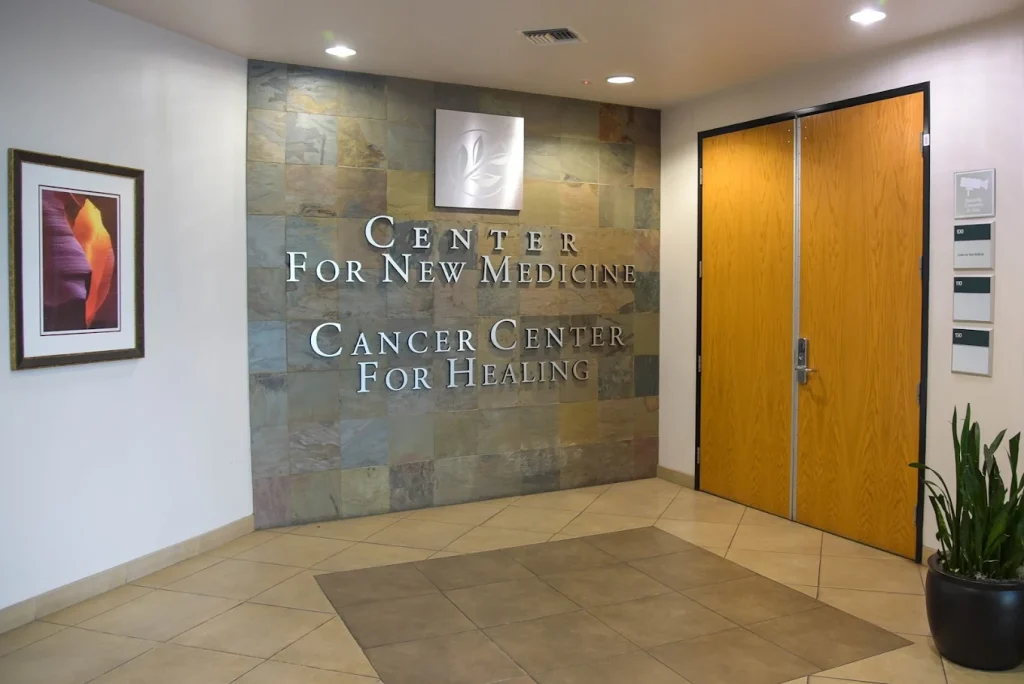
Today the Cancer Center for Healing proudly promotes innovative cancer treatments rooted in a deep understanding of how it’s been studied through the ages. To learn more or to schedule a consultation, contact us today!